Photobiomodulation and functional health: a promising field of exploration
Photobiomodulation is positioned as a non-invasive support tool at the crossroads of functional medicine and global well-being. By stimulating certain cellular processes, it is sparking research in fields as diverse as chronic pain, neurological disorders and inflammatory imbalances. These prospects, still in the process of being validated, are attracting scientists, specialized centers and individuals looking for complementary solutions.
Relieving, soothing, regulating: hopes for pain and inflammation
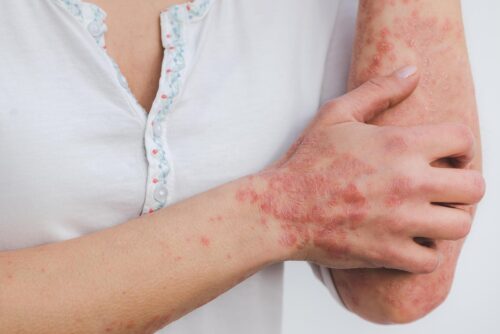
A number of pain centers are interested in photobiomodulation as a non-drug approach to complex pathologies such as fibromyalgia and neuropathic pain. By promoting microcirculation, cytokine modulation and mitochondrial activation, red or near-infrared light could help soothe certain persistent inflammations. This indirect action makes it a promising avenue of exploration, particularly for people who have reached a therapeutic impasse.
Brain, nervous system and emotional balance
Neuro-photobiomodulation opens up an innovative field, with research underway on Alzheimer's, Parkinson's, depression or post-COVID mental fog. The effect of light on deep brain structures is being studied for its potential role in neuroplasticity, modulation of cerebral oxidative stress and mood regulation. Some feedback from the field, albeit preliminary, is encouraging further clinical studies on the subject.
Towards a holistic approach to physical well-being
Whether for post-exercise recovery, post-fracture bone support or intimate comfort, photobiomodulation is becoming increasingly widespread in a wide variety of contexts. From gynecologists to physical therapists, more and more professionals are embracing this technology for its perceived effects on tissue regeneration, elasticity, circulation and overall comfort. It is part of a better living approach, not a substitute for medical treatment, but a reinforcement of certain preventive or functional approaches.