Photobiomodulation and athletic performance: feedback

An athlete’s body is constantly balancing exertion and recovery. Muscle soreness, tissue inflammation, and incomplete recovery after intense training: these physical realities affect both casual exercisers and elite athletes alike. Photobiomodulation (PBM) is gradually establishing itself as a serious alternative to support this natural recovery process and help reduce pain. This case study details its mechanisms, the observed effects, and the practical benefits it can provide in daily life.
What Exercise Actually Does to the Body
Every intense workout takes its toll. At the cellular level, muscle fibers sustain microtears. The body then triggers an inflammatory response designed to signal the damaged area and initiate tissue regeneration. This acute inflammation is normal: it is part of the muscle repair process. The problem arises when the inflammation persists, when damaged tissues do not regenerate as quickly as expected, or when pain management becomes a daily challenge.
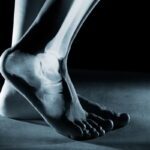
Post-exercise muscle soreness (DOMS, or delayed-onset muscle soreness) is the most common form of physical pain among athletes. It results from localized inflammation in tissues damaged by exercise. Its intensity, duration, and impact on the ability to resume training vary depending on the individual, the sport, and the overall level of recovery.
Added to this are joint pains, which are often chronic and result from repeated stress on the same structures. Osteoarthritis is the most common manifestation of this condition: as the joint cartilage becomes progressively damaged, it struggles to regenerate. Chronic inflammation then perpetuates a cycle of pain that degrades quality of life and reduces physical capacity over the long term.
Photobiomodulation: Cellular Support for Tissues
The principle of photobiomodulation is based on exposing tissues to specific wavelengths of light, ranging from 600 to 1,000 nm (red and near-infrared light). These wavelengths penetrate the skin and reach the muscle, joint, and connective tissues, where they act directly at the cellular level.
Light is absorbed by the mitochondria, the powerhouses of every cell. This process triggers increased production of ATP, the cell’s energy molecule, which directly fuels the mechanisms responsible for regenerating damaged tissue. The resulting chain reaction has multiple effects:
- Reduction of inflammation: Infrared light modulates inflammatory mediators (prostaglandins, interleukin-6), which helps reduce local inflammation without blocking the natural regeneration process.
- Accelerated tissue regeneration: By stimulating the stem cells found in muscles and tendons, PBM supports the repair of damaged fibers and improves tissue resilience to physical stress.
- Pain relief: By affecting nerve conduction and reducing inflammation, PBM helps relieve acute pain and manage chronic pain, with no significant side effects when used as directed.
Acute pain, chronic pain: different outcomes
Pain management for athletes is not limited to a single type of physical pain. Photobiomodulation works differently depending on the nature and duration of the pain, and its results vary accordingly.
For acute post-exercise pain, results are often quick. Red light therapy, applied within hours of intense exercise, accelerates the elimination of metabolic waste and reduces inflammation in damaged tissues. Muscle pain generally subsides within 24 to 48 hours, accompanied by a noticeable reduction in soreness and a faster-than-usual recovery of muscle tone.
For chronic pain, the process is more gradual. Individuals suffering from osteoarthritis, recurrent tendinopathies, or persistent joint pain generally experience a reduction in pain intensity over several weeks of regular treatment. Chronic pain management improves through the combined action of reducing inflammation and stimulating stem cells, which support the regeneration of damaged joint tissue.
Neuropathic pain, often associated with chronic nerve compression in athletes (carpal tunnel syndrome, cervicobrachial neuralgia), presents a more complex challenge. Results vary from person to person, but PBM’s ability to influence nerve conduction offers a complementary alternative for relieving this type of pain, which is difficult to manage through other means.
What athletes actually experience
The feedback is consistent. People who incorporate photobiomodulation treatments into their fitness routine report that their bodies recover more quickly, experience less pain, and enjoy a better quality of life in their daily activities.
A long-distance runner suffering from chronic Achilles tendonitis reports a significant reduction in pain within the first few weeks of regular treatment, allowing him to maintain his training volume. A CrossFit enthusiast dealing with knee joint pain linked to early-stage osteoarthritis describes a decrease in painful episodes and an improved ability to string together workouts without the mandatory recovery days that previously punctuated his schedule. A dedicated cyclist, whose thigh muscles were regularly damaged by long rides, reports faster recovery and lasting relief from the chronic muscle pain that had been affecting his quality of life.
These results are long-lasting. Pain management is not limited to immediate relief: regular photobiomodulation treatments help maintain a cellular environment that is better prepared for physical exertion, with more resilient tissues and better-regulated inflammation.
Incorporating self-care into a fitness routine: practical tips
Photobiomodulation fits easily into an exercise routine because it requires no special preparation or recovery time after treatment. A session lasts between 10 and 30 minutes, depending on the area being treated and the desired outcome.
The frequency of treatment varies depending on the nature of the pain and the recovery goals:
- During the intensive recovery phase, following intense physical exertion or when returning to activity after an injury, 3 to 5 sessions per week can actively support the regeneration of damaged tissue and help reduce acute pain.
- For the management of chronic pain, particularly osteoarthritis or tendinopathies, 2 to 3 sessions per week over several months yield the best results in terms of lasting relief and improved quality of life.
- For maintenance and prevention, 1 to 2 sessions per week are sufficient to keep cells in a state of metabolic vitality and reduce the tendency of tissues to become easily inflamed during physical activity.
The absence of significant side effects (barring specific contraindications such as pregnancy or certain implants) is a real advantage when practiced regularly over the long term.
A sustainable alternative
Photobiomodulation offers a viable alternative for athletes looking to take care of their bodies without adding to their daily workload. It doesn’t promise to make pain disappear overnight, nor to regenerate deeply damaged tissue in just a few treatments. It offers something more realistic and sustainable: gradual support for cellular regeneration, better management of chronic inflammation, and a reduction in the intensity and frequency of muscle and joint pain.
For a body that works hard, endures challenges, and seeks to recover, this is often exactly the kind of support it needs to maintain a satisfying level of physical well-being throughout its athletic career.
See also:

 Fracture persistante : la photobiomodulation peut-elle accélérer la guérison ?Par Adèle, le 7 juillet 2025
- Fibromyalgie : pourquoi la photobiomodulation séduit les centres antidouleurPar Adèle, le 8 janvier 2026
- Stress, inflammation et cuir chevelu : comment la photobiomodulation agit-elle en synergie ?Par Adèle, le 25 février 2026
- Alzheimer, Parkinson, dépression : où en est la neuro-photobiomodulation ?Par Adèle, le 6 novembre 2025
- Photobiomodulation et performance sportive : retour d’expériencePar Adèle, le 3 décembre 2025
- Photobiomodulation vaginale : la révolution intime ?Par Adèle, le 27 juin 2025
- Arthrose du genou et photobiomodulation : ce que montrent les études récentesPar Adèle, le 1 avril 2026
- Photobiomodulation pour le COVID long : état des lieuxPar Adèle, le 15 septembre 2025
- Lumière rouge et psoriasis : comment la photobiomodulation agit sur les plaquesPar Adèle, le 24 juin 2025