Discover the applications of photobiomodulation
Photobiomodulation covers a wide range of uses to support well-being and help improve the comfort of those being treated. Whether to manage chronic pain, support wound healing, optimize sports recovery or even provide veterinary care, each session uses LED or laser light to stimulate the body's natural processes. Browse the eight main applications below and discover how to adapt photobiomodulation to your practice.

Chronic pain
Photobiomodulation helps manage the discomfort associated with chronic pain (muscular, articular, neuropathic). By stimulating local circulation and modulating oxidative stress with light, each session contributes to lasting relief and improved mobility.

Healing and tissue
By increasing ATP production and stimulating collagen synthesis with laser or red light, photobiomodulation supports natural tissue repair processes. It can be used in post-operative protocols and for monitoring chronic wounds.

Skin health
In aesthetics, red and near-infrared LED light helps improve skin firmness and radiance, helps manage inflammatory acne and reduce the signs of photoaging, all without any thermal effect. Your skin is more supple, smoother and firmer.

Inflammations
Light waves delivered during photobiomodulation sessions modulate the inflammatory response and reduce oxidative stress. This approach supports symptom and pain management in tendonitis, bursitis and inflammatory rheumatism, muscle or joint inflammation.

Cognition and neurology
Transcranial photobiomodulation uses specific wavelengths to support cerebral microcirculation and promote cognitive function. Sessions help improve concentration, memory and feelings of mental clarity.

Recovery and performance
By optimizing cellular energy production and reducing fatigue, photobiomodulation supports recovery after exercise. It can be integrated into training protocols to support endurance and physical preparation.

Wellness and relaxation
Soft light or laser sessions activate the parasympathetic nervous system and promote a state of deep relaxation. They help reduce stress, improve sleep quality and promote overall well-being.
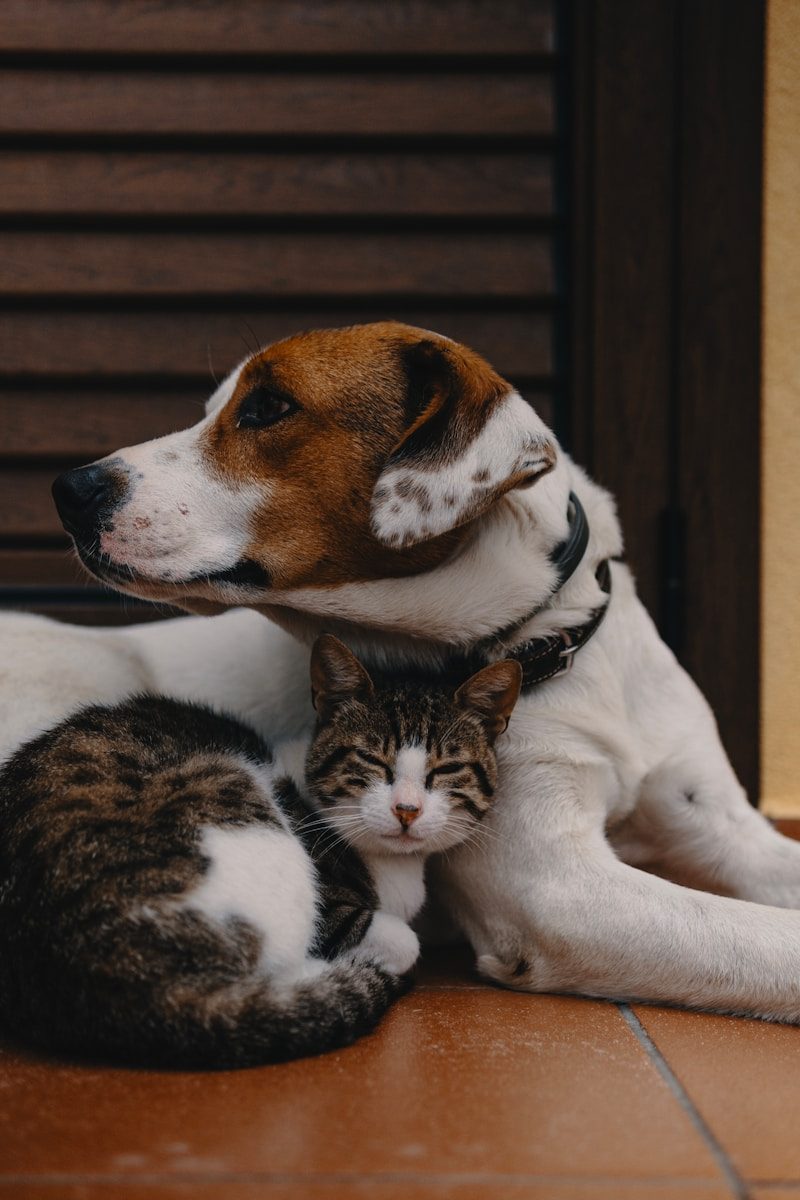
Veterinary care
Suitable for pets and equines, red light photobiomodulation supports pain management, tissue recovery and well-being in four-legged patients, with specific programs tailored to each species.
A typical session
There are several stages to a successful photobiomodulation session.
Step 1:
Welcome and assessment
Installation of the treated individual and quick interview to check history, areas of discomfort and set your wellness goals.
Step 2:
Custom settings
Choice of wavelength (red LED or near-infrared light), laser power and duration of photobiomodulation session according to target area and specific needs.
Step 3:
Positioning and protection
Precise positioning of the light source (laser or LED) just a few centimetres from the skin. Filtering glasses are supplied for your comfort and safety during the photobiomodulation session.
Step 4:
Light irradiation
Exposure session (usually 5-15 minutes) during which the individual remains relaxed, without feeling pain or overheating, while LED light supports cellular processes.
Step 5:
Assessment and recommendations
Removal of devices, assessment of immediate feelings and advice on how to optimize the effects of photobiomodulation (timing of sessions, hydration, light activity).