Integrate photobiomodulation into your daily routine with confidence
Photobiomodulation is no longer confined to specialized practices or clinical protocols. It is gradually finding its way into the home, driven by the boom in consumer devices and a growing interest in non-invasive, customizable and natural approaches. Its accessibility, however, means that we need to be well-informed about its proper use, technical limitations and necessary precautions.
Wellness routines and home protocols
Users are adopting photobiomodulation to relieve persistent fatigue, improve sleep quality or support skin tone. In-house protocols are built around regular applications, often guided by tutorials or expert advice. Perceived effects may vary, but are consistent with regular application and an overall healthy lifestyle. Facial anti-aging, muscular comfort and sleep-wake cycle support are among the applications most frequently explored at home.
Choosing the right device for your needs
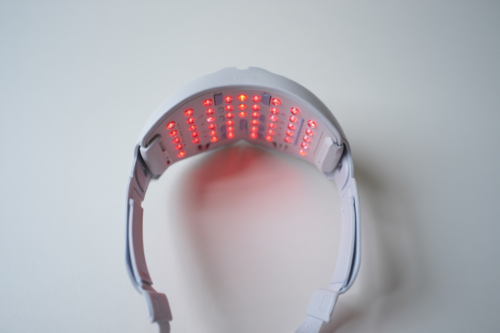
Hair helmets, LED panels, face masks, portable lamps: the range of products on offer is multiplying, with more or less well-founded promises. Understanding technical criteria such as wavelength, power density and exposure time helps you choose the right device for your needs. The seriousness of the manufacturer, the transparency of technical data and compatibility with one's own skin sensitivity are all elements to be taken into account for a pertinent purchase.
Safety, contraindications and misconceptions
Although photobiomodulation is generally well tolerated, certain precautions must be taken. Contraindications include tumor areas, photosensitive epilepsy or certain photosensitizing treatments. It's also essential to distinguish scientific facts from exaggerated promises, to avoid unpleasant surprises or unrealistic expectations. Clear, well-sourced and educational information remains the best tool for informed and sustainable practice.