Photobiomodulation for the face: before and after an anti-aging treatment
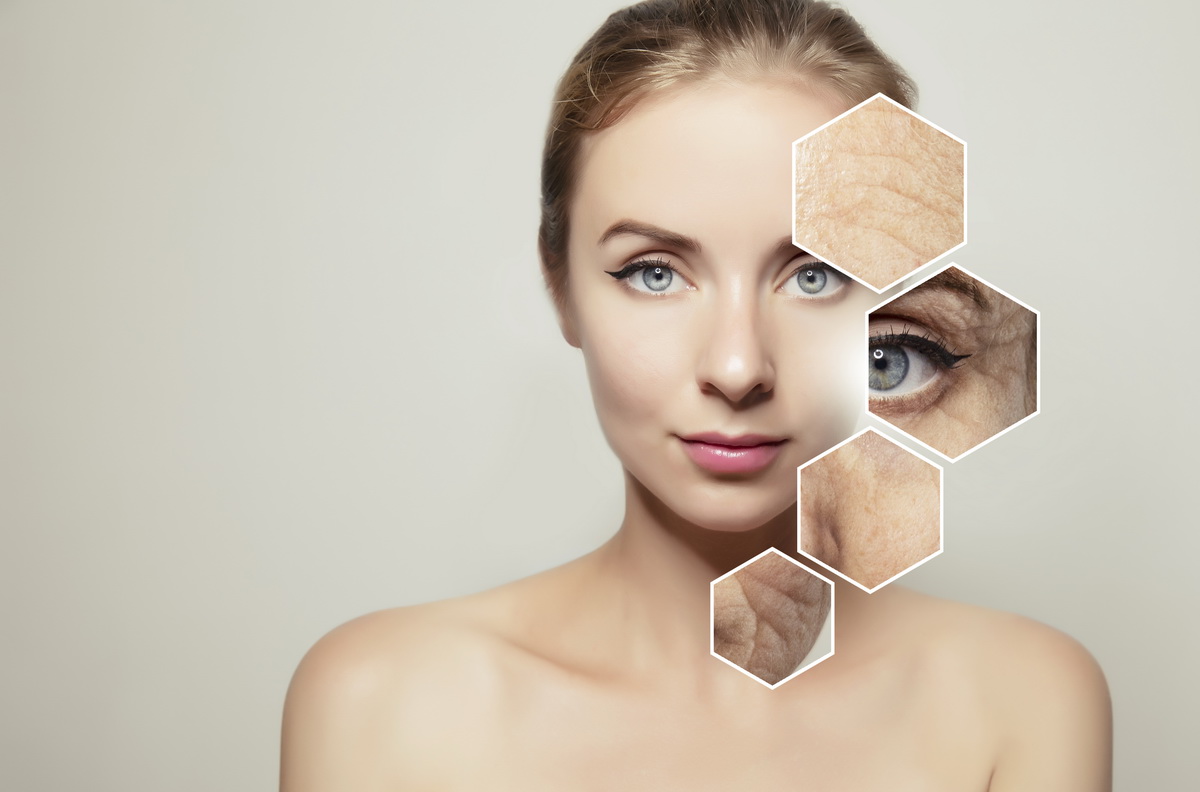
Red light does what neither cream nor serum can achieve on their own: it acts directly at the cellular level. In recent years, photobiomodulation has become a staple in wellness routines as a gentle, non-invasive approach that delivers gradual yet tangible results. Here’s what’s really happening on your face, session after session, throughout an anti-aging treatment regimen.
What LED light does for your skin
Photobiomodulation is based on a mechanism that is easy to understand. Low-intensity red light, emitted by LEDs, penetrates the outer layers of the skin and activates the mitochondria—the tiny powerhouses found in every cell. In response, the cells produce more ATP, the molecule that enables them to function, regenerate, and synthesize the proteins the skin needs.
Among the best-documented effects, the stimulation of collagen production plays a central role. Collagen, a structural protein that maintains the firmness of skin tissue, naturally decreases with age. Red light stimulates the production of this protein by fibroblasts, restoring a smoother and more toned appearance to the skin. At the same time, microcirculation is activated: blood flow is better distributed beneath the epidermis, which improves the complexion’s radiance and promotes the elimination of cellular waste.
Cell regeneration is accelerated. Facial photobiomodulation treatments do not “repair” the skin in the same way as an invasive procedure; instead, they empower the cells to carry out their own renewal process.
What do we observe session after session?
An anti-aging LED light treatment typically consists of six to twelve sessions spread out over a few weeks. The changes occur gradually, and that is precisely what makes them long-lasting.
During the first session, there are few visible changes. The skin may appear slightly brighter in the hours that follow, but the real action takes place deep within the skin. Cellular mechanisms are activated, and the first signals for collagen synthesis are triggered.
Around the third or fourth session, people who follow a regular treatment regimen often notice a more even complexion. Radiance returns, and minor surface imperfections fade. Improved blood circulation is reflected in the complexion: neither red nor dull, simply more vibrant. For acne-prone skin, a reduction in redness and blemishes may already be noticeable at this stage.
Starting with the sixth session, the effects on wrinkles and fine lines become more noticeable. Superficial fine lines—the kind that good hydration helps but does not eliminate—become less pronounced. The skin appears plumper. This is partly due to the ongoing stimulation of collagen production, but also to improved natural hydration of the skin tissue resulting from more active microcirculation.
At the end of the treatment course, some people choose to complement their regimen with other treatments, such as LED mesotherapy or hyaluronic acid injections. The red light creates an environment conducive to the action of these active ingredients by preparing the skin and enhancing its ability to absorb and regenerate.
Red light versus other aesthetic approaches
There are several ways to address skin aging. Hyaluronic acid plumps the skin, LED mesotherapy revitalizes it, and chemical peels remove the outer layers. LED light stands out for how it works: it doesn’t physically alter the skin; instead, it helps the skin transform itself.
That is why the results of a facial photobiomodulation treatment are best measured over time. Skin that produces more collagen, benefits from improved blood circulation, and renews its cells more effectively is skin that ages better. It’s not just skin that looks better for a few days.
Results, of course, vary from person to person. Age, skin type, the frequency of sessions, and the care taken with your daily routine all play a role. Gentle light therapy is not a substitute for a balanced lifestyle, but it complements it effectively.
For those who also wish to address hair loss, it is worth noting that LED photobiomodulation for the skin can also be applied to the scalp with similar results: stimulation of microcirculation, activation of hair follicles, and reduction of hair loss through the same cellular mechanisms.
Frequently Asked Questions
How many sessions does it take to see results on the face?
The first visible improvements (radiance, even skin tone) generally appear between the third and fifth session. The effects on fine lines and wrinkles and skin firmness become more noticeable starting with the sixth session. A full course of six to twelve sessions delivers the most noticeable and long-lasting results.
Can photobiomodulation help with acne?
Yes. Red light helps reduce redness and soothe inflammation associated with acne. It promotes cell regeneration and helps minimize post-acne marks. For combination or oily skin prone to breakouts, a course of facial photobiomodulation can be incorporated into an overall skincare routine.
Can photobiomodulation be combined with hyaluronic acid or LED mesotherapy?
Yes, and this combination is often recommended. LED light prepares the skin, stimulates blood circulation, and enhances the penetration of active ingredients. When combined with hyaluronic acid or LED mesotherapy, it can amplify the effects of these treatments and accelerate cell regeneration.
Is red light suitable for sensitive skin?
The gentle light emitted by photobiomodulation devices is non-invasive and does not generate excessive heat. It is generally suitable for sensitive skin, provided that the recommended session durations are followed and an appropriate device is used.
Can photobiomodulation also help with stretch marks?
The treatment of stretch marks is one of the recognized applications of photobiomodulation. Red light stimulates collagen production and cell regeneration in areas where the skin has been stretched, helping to gradually reduce the appearance of stretch marks.
Skin that works with you
Facial photobiomodulation doesn’t promise an immediate transformation. It offers something else: supporting the skin’s natural renewal processes with gentle red light, session after session. The before-and-after results of a well-executed anti-aging treatment are evident in the skin’s texture, its radiance, and the sense that the skin has regained a vitality once thought lost. A treatment that respects the body’s natural processes, delivering results that last over time.
See also:

 Photobiomodulation visage : avant-après d’une cure anti-âgePar Adèle, le 23 juin 2025
- Photobiomodulation à domicile : check-list sécurité pour débuterPar Adèle, le 23 octobre 2025
- Photobiomodulation : dangers, contre-indications et idées reçuesPar Adèle, le 22 juillet 2025
- Comment choisir son casque de photobiomodulation pour la repousse des cheveuxPar Adèle, le 26 juin 2025
- Photobiomodulation : 2 semaines pour améliorer naturellement votre sommeilPar Adèle, le 20 mars 2026