Understanding the impact of chronic pain on quality of life
Chronic pain affects millions of people around the world, affecting both body and mind.
Unlike acute pain, which alerts us to a recent lesion, chronic pain sets in over time, often beyond three months, and becomes a phenomenon in its own right, sometimes without any apparent cause.
Its continuous presence undermines quality of life, interfering with daily activities, sleep and mobility, and influencing psychological well-being. Pain management therefore requires a global approach.
With this in mind, photobiomodulation, or PBM, offers a non-medicinal, gentle and progressive solution to support the management of chronic discomfort within a care pathway that respects each individual.
Defining chronic pain
Correct assessment of this pain is essential in order to direct patients towards appropriate care, and to provide support that takes into account the complexity of each individual situation.
Pain
persistent
Chronic pain is defined as pain that persists beyond the normal period of resolution of an initial injury, usually more than three to six months.
Modification of nerve structures
Over time, pain transmission networks can reorganize, maintaining pain perception independently of the initial aggression.
Impacts
multiple
Chronic pain affects many areas: motor skills, sleep, mood, social and professional life.
Examples
frequent
It manifests itself in ailments as varied as low back pain, fibromyalgia, neuropathic pain, recalcitrant tendonitis or the after-effects of trauma.
The importance of prior assessment
Before integrating an approach such as photobiomodulation into the management of chronic pain, a rigorous evaluation is essential.
Intensity of
intensity
Measuring intensity is often based on simple, reliable tools such as the Visual Analog Scale (VAS), where the individual rates his or her pain on a scale from 0 (no pain) to 10 (maximum imaginable pain).
Location and
type of pain
Precise identification of the areas concerned and the type of discomfort (burn, electric shock, tension) is essential to adapting the proposed treatments.
Aggravating and relieving factors
Understanding the activities, positions or contexts that modulate pain helps to better target overall management.
Impact on
daily life
Mobility, sleep, working life, social relationships: chronic pain influences many aspects that need to be taken into account when choosing photobiomodulation support protocols.
How photobiomodulation supports the management of chronic pain
Photobiomodulation or PBM relies on the controlled use of red and near-infrared light to support the cellular structures involved in pain perception. Without invasive intervention or drug treatment, it offers a gentle, progressive approach tailored to the individual's well-being needs. Here's how photobiomodulation sessions help to manage chronic pain:
Modulation of oxidative stress
Light waves help to reduce the excessive production of free radicals, thus helping to limit the chronic inflammatory state often associated with persistent pain.
Increased cellular energy (ATP)
By stimulating ATP production in the mitochondria, photobiomodulation (PBM) promotes better tissue regeneration and improves the function of affected structures.
Improved microcirculation
Light improves local blood flow and supports oxygenation of damaged tissue.
Support for rebalancing the nervous system
Certain wavelengths act indirectly on peripheral nerves, helping to reduce hypersensitivity and limit the transmission of painful signals.
Biological targets for photobiomodulation (PBM)
Photobiomodulation or PBM acts on several biological levels to support the management of chronic pain. By combining these three levels of action, photobiomodulation offers natural, non-invasive support for the progressive improvement of well-being in individuals suffering from persistent pain.

Action on cells
Light absorbed by mitochondria increases the production of the energy molecule Adenosine Triphosphate (ATP), enabling cells affected by inflammation or mechanical stress to regain their vitality.
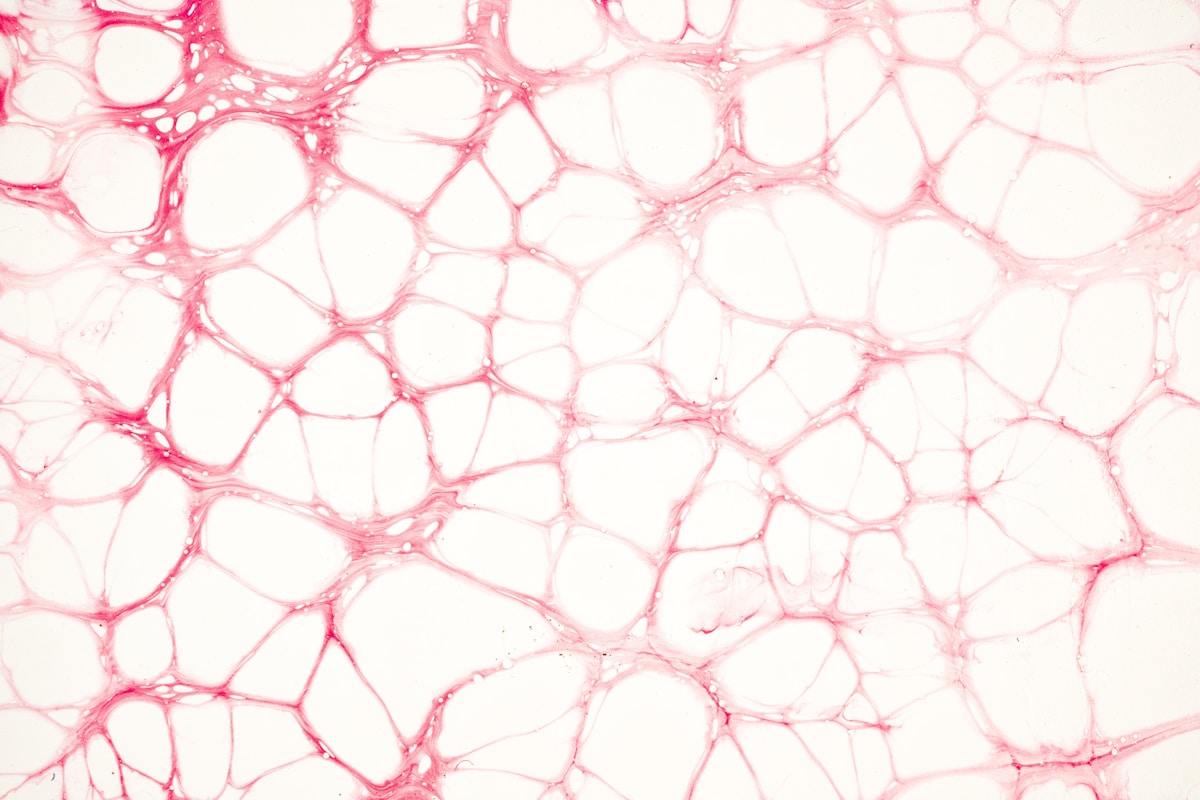
Action on tissues
Muscle, tendon and connective tissue benefit from photobiomodulation-induced improvements in microcirculation and oxygenation. This contributes to better drainage of pro-inflammatory metabolites.

Action on peripheral nerves
Photobiomodulation (PBM) helps modulate neuronal excitability by acting on neurotransmitters. This indirect action helps reduce the abnormal transmission of pain signals to the brain.
Tips for optimizing chronic pain management with photobiomodulation
To get the best results from photobiomodulation for chronic pain, it's essential to follow certain practical recommendations.
1.
Define a suitable frequency
Regularity is essential: 2 to 3 sessions a week for 4 to 6 consecutive weeks is generally recommended to support cellular processes effectively.
2.
Adapt duration and wavelength
The choice of parameters must take into account the nature of the pain, its location and the depth of the structures to be targeted.
3.
Combine with other non-invasive approaches
Photobiomodulation (PBM) can be perfectly integrated into an overall program that includes gentle physiotherapy, flexibility exercises and relaxation, reinforcing the overall management of well-being.
4.
Regularly reassess the situation
An evaluation every 4 to 6 sessions enables us to adjust the parameters if necessary.
5.
Promoting therapeutic education
Clearly explaining to individuals the mechanisms of photobiomodulation and the need for a multi-week approach fosters adherence to the protocol and greater involvement in the treatment process.
How can photobiomodulation help improve everyday life?
The effects of photobiomodulation (PBM) on the management of chronic pain have been observed in numerous feedback studies and clinical trials. Without replacing medical treatment when necessary, this gentle approach supports people in their quest for greater comfort.
The main benefits reported are :
progressive reduction in pain intensity. A large proportion of individuals experience a reduction in their daily discomfort with regular sessions after 6 weeks of photobiomodulation.
of people report improved functional mobility. Thanks to improved local circulation and reduced muscle tension, many testimonials report a gradual resumption of light physical activity.
report better sleep due to fewer night-time awakenings caused by pain. Reduced night-time pain facilitates more restful sleep, which has a direct impact on energy, motivation and overall quality of life.