Persistent fracture: can photobiomodulation speed up healing?
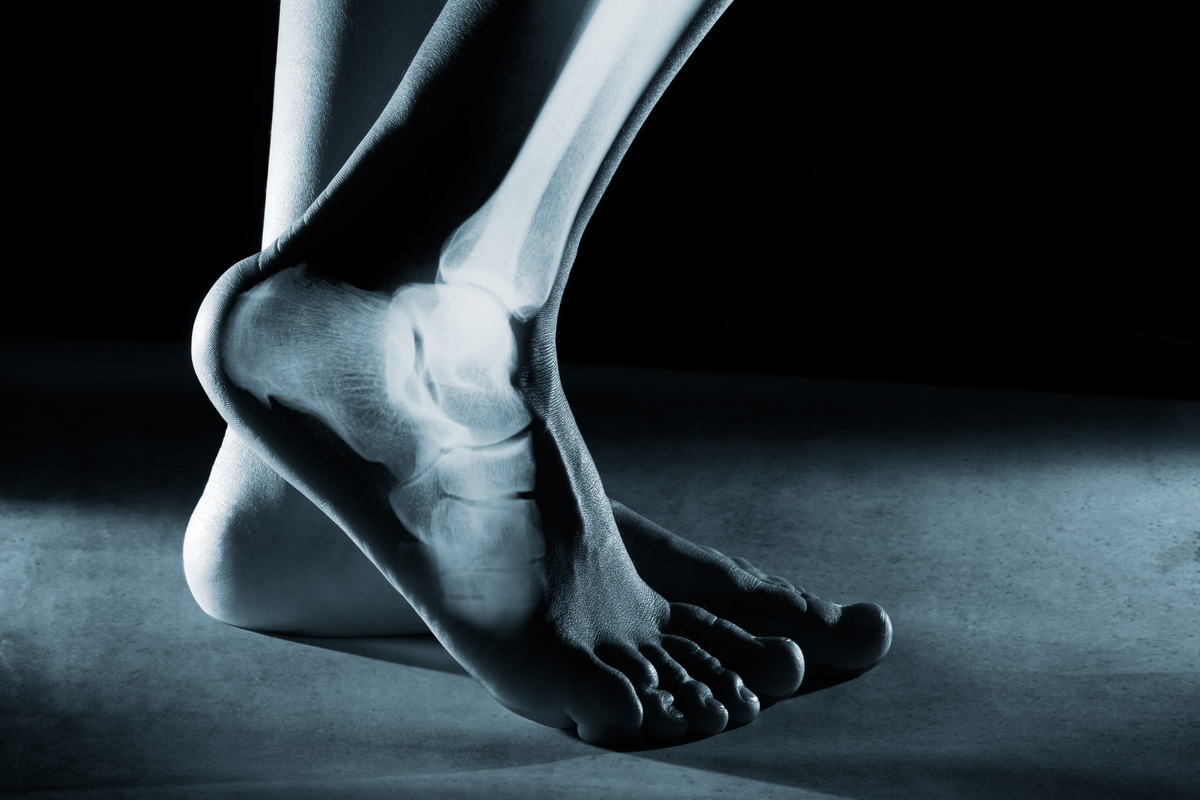
A fracture that takes a long time to heal is a challenge in itself. Weeks go by, one medical exam follows another, and the bone isn’t healing as quickly as expected. In this situation, many people turn to complementary approaches to support their recovery. Photobiomodulation is among those methods attracting growing interest, particularly for its effects on inflammation, blood circulation, and cellular energy production.
Bone healing: a demanding biological process
Bone is a living tissue that is constantly renewing itself. After a fracture, the body initiates a multi-phase repair process: formation of a hematoma, followed by a bone callus, and finally gradual consolidation. This mechanism is robust, but it can be slowed by numerous factors: poor local blood supply, nutritional deficiencies, age, smoking, or the presence of persistent inflammation that disrupts the cellular environment.
A non-union, or delayed bone healing, occurs when the bone does not show sufficient signs of healing within the expected timeframe. This is a frustrating condition that can lead to chronic pain, limit mobility, and have a lasting impact on quality of life.
How does photobiomodulation affect tissues?
Photobiomodulation (PBM) is a technique that uses light waves at specific wavelengths, primarily in the red and infrared spectrum, to interact with the body’s cells. Unlike an infrared sauna, which heats surface tissues, PBM acts at a deeper level without causing a significant rise in temperature.
The core mechanism relies on the production of ATP, the energy that every cell needs to function. Mitochondria, the cell’s powerhouses, absorb red and infrared light through a specific photoreceptor. This stimulation promotes ATP production, providing cells with the resources they need to regenerate more effectively.
In the case of a fracture, this results in several observable effects: improved local blood flow, reduced inflammation around the site of injury, and stimulation of the bone cells involved in reconstruction. LED, which is used in most current photobiomodulation devices, allows these wavelengths to be delivered in a targeted and reproducible manner, session after session.
To learn more about the applications of photobiomodulation, THE PBM website provides a comprehensive overview of the fields in which this approach is used.
Persistent fractures: what the research says
There is genuine scientific interest in PBM in the context of bone health. Several preclinical and clinical studies have explored its effect on bone healing, with encouraging results. Research shows that red and infrared light can stimulate the activity of osteoblasts—the cells responsible for bone formation—while modulating local inflammation.
Research conducted at leading institutions, particularly in the context of supportive care at Gustave Roussy, has provided a better understanding of how PBM can contribute to pain management and improve the comfort of individuals facing complex situations. While this research often focuses on the side effects of treatments, it reflects a growing institutional recognition of photobiomodulation as a complementary tool for well-being.
However, it is important to be clear: PBM is not a magic wand. Its effectiveness depends on the frequency and consistency of the sessions, the wavelengths used, and the device’s ability to reach the target tissues. A deep-seated fracture requires infrared light capable of penetrating deep enough beneath the skin to reach the bone tissue.
Pain and inflammation: two complementary targets
One of the reasons photobiomodulation is of interest to people dealing with a non-union is its effect on pain. The chronic pain associated with delayed bone healing can be debilitating. However, PBM acts on several mechanisms involved in pain perception: it reduces inflammatory mediators, modulates local nerve signals, and improves tissue perfusion.
This effect on pain differs from that of a simple analgesic: it does not mask the sensation, but rather acts on the biological processes that cause it. For joint pain associated with the prolonged immobilization of a fractured limb, this aspect is particularly noteworthy.
The ability to relieve pain and improve daily comfort is one of the reasons why photobiomodulation fits naturally into a holistic approach to well-being, complementing a treatment plan tailored to each individual’s needs.
Best practices and safety guidelines for using the PBM are detailed on the website to ensure a safe and optimal user experience.
Side effects: What is the safety profile?
One of the advantages of photobiomodulation is its excellent safety profile. Side effects are rare and generally mild: slight skin redness in the first few minutes following the session, or a sensation of superficial warmth, disappear quickly. There are no notable systemic effects at the doses used for wellness purposes.
This tolerability sets PBM apart from other, more invasive approaches. It can be easily incorporated into a daily routine without significant inconvenience, provided that the instructions for use are followed, particularly regarding the distance between the device and the treatment area and the duration of the sessions.
However, usage should be tailored to each individual’s specific situation. Available LED devices vary in power, wavelength, and emission area. Using the right equipment makes a real difference in the effectiveness of the sessions.
Explore the available hardware and technologies to help you choose a device that meets your needs.
Frequently Asked Questions
Can photobiomodulation be used alongside treatment for a fracture?
PBM is a complementary wellness approach that is used alongside—not in place of—appropriate medical care. It does not replace your healthcare provider’s recommendations, but it can help improve your comfort and support recovery in a natural way. If you have any doubts, it’s always a good idea to discuss this with the healthcare professional managing your care.
How many sessions are needed to see results?
The effects of photobiomodulation on pain and inflammation can be felt as early as the first few sessions. For support with bone healing, regular use over several weeks is generally recommended. Consistency is key to fully benefiting from the effects of red and infrared light on deep tissues.
Which wavelength is best for treating bone?
To reach deep tissues, such as bone tissue, wavelengths in the infrared spectrum (between 800 and 1,100 nm) are most effective. They penetrate deeper beneath the skin than visible red light. Some devices combine both spectra to act simultaneously on both superficial tissues and deeper structures.
Is PBM painful?
No, photobiomodulation sessions are painless. The patient may sometimes feel a slight warmth in the treated area, which is completely normal. There is no significant thermal effect or discomfort when the device is used correctly.
Can PBM help with joint pain caused by immobility?
Yes, joint pain resulting from a prolonged period of immobility is one of the conditions where photobiomodulation can provide significant relief. Its effect on local inflammation and blood circulation helps improve comfort and gradually restore mobility over the course of the sessions.
Light as an ally in your recovery
A persistent fracture requires patience and perseverance. Throughout this process, it is worth exploring all resources that can enhance comfort and support the body’s natural healing mechanisms. Photobiomodulation, through its effects on ATP production, inflammation, and blood circulation, serves as a valuable wellness tool to support this recovery period.
Provided you choose the right device, use it regularly, and follow best practices, red and infrared light can become a valuable ally in your daily life. For more information, the photobiomodulation overview page provides a solid foundation for understanding the basics of this approach.
See also:


- Stress, inflammation et cuir chevelu : comment la photobiomodulation agit-elle en synergie ?Par Adèle, le 25 février 2026
- Alzheimer, Parkinson, dépression : où en est la neuro-photobiomodulation ?Par Adèle, le 6 novembre 2025
- Photobiomodulation et performance sportive : retour d’expériencePar Adèle, le 3 décembre 2025
- Photobiomodulation pour le COVID long : état des lieuxPar Adèle, le 15 septembre 2025
- Arthrose du genou et photobiomodulation : ce que montrent les études récentesPar Adèle, le 1 avril 2026
- Lumière rouge et psoriasis : comment la photobiomodulation agit sur les plaquesPar Adèle, le 24 juin 2025
- Fibromyalgie : pourquoi la photobiomodulation séduit les centres antidouleurPar Adèle, le 8 janvier 2026
- Photobiomodulation vaginale : la révolution intime ?Par Adèle, le 27 juin 2025