Top 5 new portable photobiomodulation devices in 2025
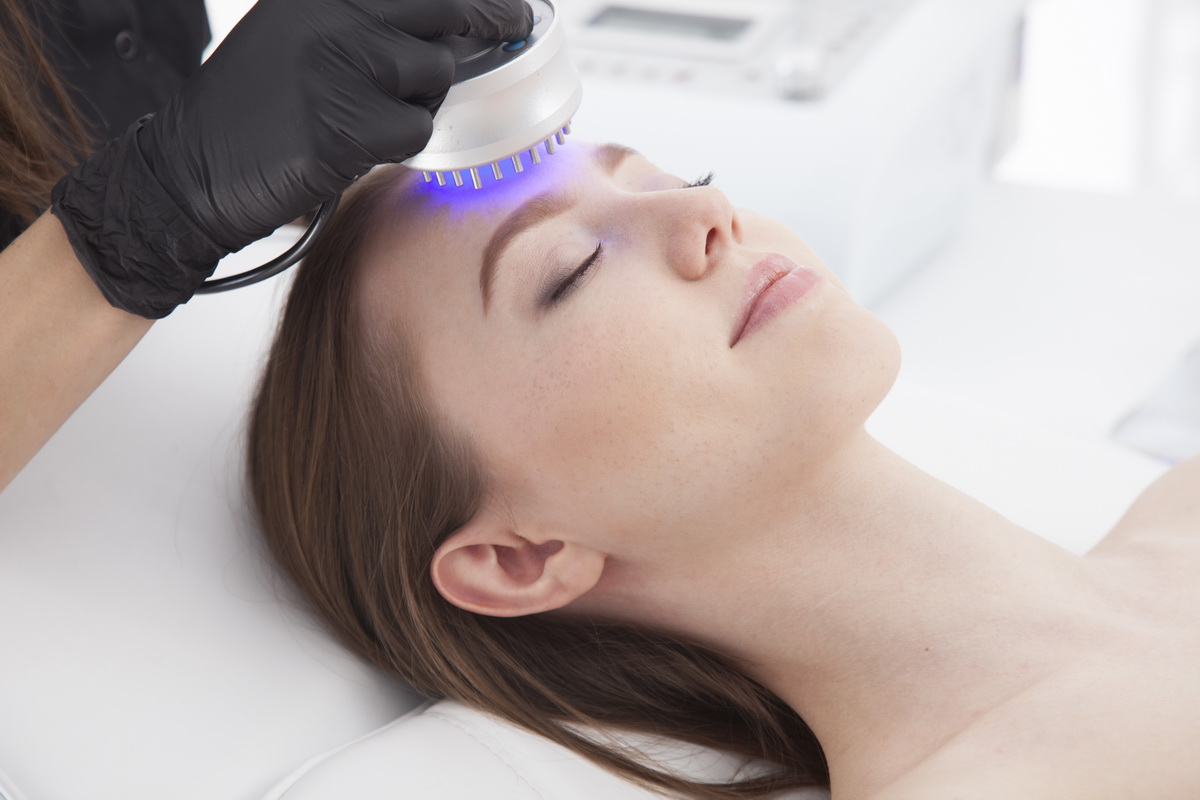
Photobiomodulation is at a turning point. What was once the domain of specialized clinics is now available to individuals in the form of compact, ergonomic, and increasingly high-performance photobiomodulation devices. Red light, infrared, calibrated wavelengths: portable devices in 2025 have made significant strides, both in terms of technology and value for money. Here’s an overview of the five models that are turning heads this year.
What is a portable photobiomodulation device?
Photobiomodulation (PBM) refers to the use of light—primarily red and infrared LEDs—to stimulate cells in the human body. Unlike large devices (such as fixed LED panels or full-body cabins), portable devices allow for targeted treatment of a specific area: the face, scalp, joints, or another specific part of the body. They emit wavelengths generally ranging from 630 to 850 nanometers, a spectrum recognized for its effects on cell regeneration and tissue comfort.
This positioning makes them accessible wellness tools that can be used at home, without the need to travel. Sales of these devices have skyrocketed in recent months, driven by growing demand for self-care solutions that are effective and non-invasive.
How do you choose a portable photobiomodulation device?
Before making a purchase, there are a few factors worth considering. The wavelengths emitted largely determine the desired effect: red light (630–660 nm) acts primarily on the skin’s surface layers, while infrared light (800–850 nm) penetrates deeper into the tissue. A good device often offers a combination of both.
The treatment area, output power, ergonomics, and price are also key factors. Some devices are designed specifically for the face (using LED face masks), while others target the scalp to help manage hair loss. Still others, which are more versatile, can treat the entire body over the course of several sessions.
The Five Portable Photobiomodulation Devices to Watch in 2025
THE PBM: The Gold Standard in Full-Body Photobiomodulation Devices
It’s hard to talk about portable devices without mentioning THE PBM, which has established itself as a benchmark in the light-based wellness industry. Its approach combines red and infrared light at precisely calibrated wavelengths, with a particular focus on ergonomics and ease of daily use. The device is designed for regular use, with a focus on gradual improvement rather than instant results. Its design allows for use on various areas of the body, from the face to the scalp and joints.
Its aesthetic appeal and market-competitive price make it one of the best choices for those new to red light therapy or looking to incorporate it into their long-term skincare routine.
CurrentBody Skin LED Light Therapy Mask: The Gold Standard for Facial Care
This LED face mask is one of the best-selling photobiomodulation devices in the beauty industry. It uses red and infrared LEDs at wavelengths of 633 and 830 nm, known for their benefits in improving skin comfort and appearance. Its wraparound design ensures even coverage of the face, from the cheeks to the forehead and chin. Each session lasts ten minutes, making it easy to incorporate into a daily routine. It costs around 350 euros, placing it in the mid-range category for this type of device.
Kineon Move+ Pro: Mobility for Joint Health
The Kineon Move+ Pro stands out for its modular design and versatility. Designed to target the body’s joints and muscles, it combines red LED and low-power laser to maximize light penetration into the tissues. This portable body photobiomodulation device is particularly popular for use on the knees, shoulders, or lower back. Its battery life and strap attachment make it easy to use on the go. Estimated price: between 400 and 500 euros, depending on the retailer.
Revian Red: Innovation in Facial LED Technology
Revian Red offers a unique approach: its LED mask uses “multiwave” technology, which alternates between multiple wavelengths rather than emitting them simultaneously. The goal is to target different depths of the skin during a single session. This photobiomodulation device is primarily designed for facial care, with an emphasis on skin comfort and a radiant complexion. Its mobile app allows for personalized tracking of sessions. It retails for around 600 euros, placing it in the high-end range for a home-use device.
Hairmax LaserBand 82: Photobiomodulation and the Scalp
A recognized specialist in scalp photobiomodulation, Hairmax offers the LaserBand 82, a device designed to address hair loss. This portable device combines low-power lasers and red LEDs to evenly cover the scalp with just a few minutes of use per week. Clinically evaluated in several observational studies, it is often cited as one of the best options on the market for those seeking to support the vitality of their hair using light therapy. It retails for around 400 euros.
Frequently Asked Questions About Portable Photobiomodulation Devices
What are the side effects of photobiomodulation?
Photobiomodulation is generally well tolerated. Reported side effects are rare and minor: a slight sensation of warmth, temporary redness in the treated area, or eye sensitivity if used without protection. It is recommended that you never look directly at the LEDs during a session and that you follow the care instructions provided by the manufacturer. People with specific skin conditions should consult a healthcare professional before use.
Is red light effective for facial skin?
Red LED light with a wavelength between 630 and 660 nm is one of the most extensively studied wavelengths in skincare. It helps promote skin comfort, improve skin appearance, and enhance the sense of well-being in the superficial tissues. LED face masks incorporating this wavelength are among the most widely used photobiomodulation devices in regular skincare routines.
Can photobiomodulation help with mucositis?
Photobiomodulation is being studied in the context of mucositis, particularly in protocols designed to promote oral comfort. Several research teams have evaluated the use of LED lights and low-power devices to support the management of mucositis-related symptoms. These approaches are part of a complementary wellness strategy. THE PBM provides detailed information on this topic on its website.
What is the difference between an LED panel and a portable device?
LED panels are larger, typically stationary devices that can treat extensive areas of the body in a single session. Handheld devices offer greater flexibility and are often more affordable, but they cover a smaller area. For targeted use (face, scalp, joints), a handheld device is usually sufficient and more convenient.
How can you incorporate red light therapy into your routine?
Consistency is key to effective use. Most photobiomodulation devices recommend sessions lasting 10 to 20 minutes, two to five times a week, depending on your goals. It’s best to start gradually and adjust the frequency based on how you feel. Specific care instructions for each device are detailed in the manufacturer’s manual and on the product’s website.
Portable photobiomodulation: choose wisely
The market for portable photobiomodulation devices in 2025 offers a wide range of options, with devices suited to various uses: facial care, cellular regeneration, scalp comfort, and joint health. The key is to choose a device whose wavelengths are clearly indicated, whose price is commensurate with the features offered, and whose manufacturer provides users with reliable skincare advice.
To learn more about red light therapy and its applications, THE PBM offers detailed resources on its website.
See also:

 Photobiomodulation vétérinaire : décryptage d’un marché en pleine croissancePar Adèle, le 25 juin 2025
- Top 5 des nouveaux appareils portables de photobiomodulation en 2025Par Adèle, le 20 août 2025
- Combien coûte une séance de photobiomodulation ? Analyse des prix 2025Par Adèle, le 20 juin 2025
- Photobiomodulation et mutuelles santé : vers un remboursement partiel ?Par Adèle, le 1 avril 2026