Veterinary photobiomodulation: deciphering a fast-growing market
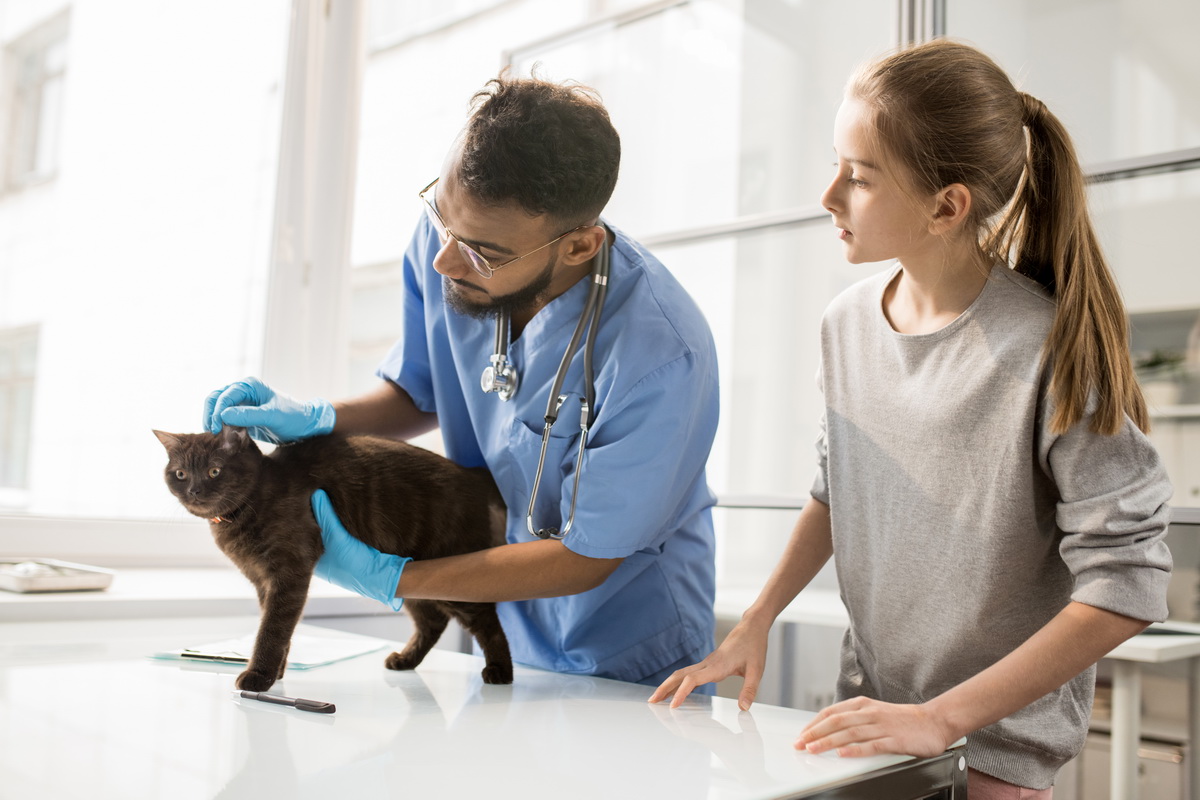
Animal welfare is no longer a niche topic. In veterinary clinics and specialized centers alike, a light-based technology is gradually establishing itself as an essential tool for enhancing animals’ daily comfort: photobiomodulation. Driven by growing demand from pet owners and increasing interest from professionals, this approach using red and infrared light is reshaping the landscape of animal care.
The veterinary laser: a tool stepping out of the shadows
Long reserved for high-precision surgical equipment, lasers have gradually found their way into another area of veterinary care: cellular stimulation using light. Photobiomodulation relies on the action of specific wavelengths—primarily in the red and near-infrared spectrum—that penetrate tissues to trigger beneficial biological responses.
In the veterinary field, this approach is appealing for one simple reason: it works without invasive contact, without excessive heat, and without forcing the animal to remain immobilized for long periods. For species as diverse as dogs, cats, and horses, the ability to manage pain and inflammation without routinely resorting to conventional medications represents a true paradigm shift.
The global veterinary laser market has seen steady growth since the early 2010s. Several industry studies estimate that this segment is growing at an annual rate of 8 to 12 percent, driven by the rise of preventive care and sports medicine for animals.
How does photobiomodulation work in animals?
Veterinary photobiomodulation is based on the same mechanisms as those documented in humans. Red and infrared light, emitted at specific wavelengths (generally between 630 and 1,000 nm), is absorbed by the mitochondria of cells. This absorption triggers a cascade of effects at the cellular level: increased ATP production, stimulation of collagen synthesis, and modulation of inflammatory processes.
In practical terms, a laser session is designed to support the animal’s body in its own regulatory processes. For soft tissues such as tendons, muscles, or skin, the light helps improve comfort and support recovery after exercise or surgery. Reduced inflammation and pain relief are the two effects most frequently observed by veterinarians who incorporate this technology into their practice.
The wavelength used largely determines the depth of penetration into the tissues. A red laser (around 630–670 nm) acts primarily on the surface, while infrared wavelengths can reach deeper structures, such as joints or deep muscles.
Which animals and situations benefit from laser therapy?
Dogs remain the animals most commonly treated with photobiomodulation in the veterinary field. Osteoarticular conditions, chronic pain associated with osteoarthritis, and postoperative care are the most common indications. In cats, soft tissue injuries and chronic inflammatory conditions are frequent indications for treatment.
But it is in the field of equine medicine that photobiomodulation has seen its most dramatic advancements in recent years. Equine sports medicine has widely adopted laser therapy to aid in the recovery of competition horses, manage tendon pain, and support the healing of skin and muscle injuries.
Small animals (rabbits, exotic pets) are also receiving increasing attention, although the available data remains less extensive than for domestic carnivores.
Here are the most common conditions treated by a veterinary laser specialist:
- Chronic joint pain: osteoarthritis, hip dysplasia, and degenerative conditions in older dogs and cats.
- Postoperative follow-up: monitoring the healing process after soft tissue surgery or orthopedic surgery.
- Inflammation and tendon injuries: particularly in sport horses following intense exercise.
Pain management: a key issue in the veterinary market
The issue of pain management in animals has long been underestimated. For decades, animals’ ability to feel and express pain was downplayed, hindering the development of specific approaches. Scientific and ethical recognition of animals’ sensitivity to pain has transformed owners’ expectations and redefined standards of care.
In this context, photobiomodulation addresses a specific need: to offer a complementary approach to managing pain and inflammation, particularly in chronic cases where the animal’s quality of life is directly at stake. Chronic pain in older dogs, for example, has a profound impact on their mobility, appetite, and behavior. Each laser session, as part of regular care, can help improve this quality of life in a measurable way.
The effect of light waves on the cellular mechanisms of inflammation partly explains the value of laser therapy in these situations. The reduction in local inflammation is often accompanied by pain relief that pet owners notice quickly, which encourages them to continue with treatment.
A market shaped by technological innovation
The growth of the veterinary photobiomodulation market is inextricably linked to advances in equipment. The first veterinary laser devices were bulky, expensive, and difficult to use outside of a surgical or hospital setting. Newer generations of devices combine lightweight design, portability, and precision in the wavelengths emitted.
This technological advancement has opened up the market to a wide range of providers: general veterinary clinics, animal physical therapy centers, and equestrian facilities. The gradual decline in the cost of laser technology has also led to the development of devices suitable for use in mid-sized practices, where the investment had previously been prohibitive.
Training veterinarians in the use of lasers is another factor driving market development. Photobiomodulation is now being incorporated into veterinary continuing education programs, particularly in workshops organized by professional associations such as AFVAC, a sign of the veterinary community’s growing recognition of this approach.
Frequently Asked Questions
Is photobiomodulation suitable for all animals?
Photobiomodulation can be used on a wide range of animal species, from domestic carnivores to equines. The indications and treatment parameters vary depending on the animal’s anatomy, the type of tissue being treated, and the wavelength used. A veterinarian trained in photobiomodulation evaluates each case individually before recommending a treatment plan.
How many laser sessions are typically needed?
The number of sessions varies depending on the animal’s condition and the treatment goal. In cases of chronic pain, a regular treatment plan spanning several weeks is often established. For post-operative care, the number of sessions is determined based on how the tissue heals. The veterinarian adjusts the treatment plan as the sessions progress.
Is the red light used in photobiomodulation safe for animals?
When used in accordance with established parameters, the red and infrared light employed in photobiomodulation is considered safe for the animal’s tissues. Specific precautions apply, particularly regarding eye protection and certain sensitive areas. The practitioner’s training and the quality of the laser equipment are essential factors in ensuring the safety of the sessions.
Does veterinary laser therapy replace other treatment approaches?
Photobiomodulation is a complementary, non-exclusive approach. It can be combined with other forms of veterinary care to help improve the animal’s well-being. The veterinarian remains the primary point of contact for determining the most appropriate care plan for each situation.
A sector to watch closely
The veterinary photobiomodulation market is still in its infancy. The convergence of increased demand for animal welfare, increasingly accessible laser equipment, and a better-trained veterinary community is creating the conditions for sustainable growth. For professionals in the sector as well as pet owners concerned about their animals’ quality of life, understanding the mechanisms and applications of photobiomodulation is becoming a valuable skill.
See also:

 Photobiomodulation vétérinaire : décryptage d’un marché en pleine croissancePar Adèle, le 25 juin 2025
- Combien coûte une séance de photobiomodulation ? Analyse des prix 2025Par Adèle, le 20 juin 2025
- Top 5 des nouveaux appareils portables de photobiomodulation en 2025Par Adèle, le 20 août 2025
- Photobiomodulation et mutuelles santé : vers un remboursement partiel ?Par Adèle, le 1 avril 2026