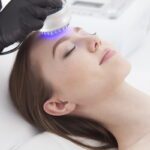
Some insurers, who closely monitor scientific advancements, say they are willing to consider partial reimbursement for photobiomodulation; however, they have set three prerequisites: obtaining a favorable opinion from the French National Authority for Health, establishing an official procedure code, and providing quantifiable evidence of photobiomodulation’s positive impact on quality of life.
News & market
Photobiomodulation and health insurance plans: toward partial reimbursement?

Imagine being able to relieve persistent pain, enjoy greater comfort in your daily life, and achieve more radiant skin—all through a gentle, non-invasive method. Between enthusiastic testimonials and the caution of insurance providers, the question of reimbursement arises: will health insurance plans take the plunge? This is the reality faced today by those turning to photobiomodulation. Why isn’t this therapy yet covered by insurance? Could things change?
Photobiomodulation: How Light Supports Well-Being
Photobiomodulation uses red or near-infrared light to support cellular processes. Each session lasts ten to twenty minutes: the exposed area absorbs the light energy, promoting better local oxygenation and potentially helping to manage muscle or joint pain.
Researchers have also observed positive effects on the quality of life of certain individuals dealing with fatigue or inflammatory conditions, without promising miracles, but offering a valuable complement to other treatments.
Health Insurance Plans: Why Photobiomodulation Isn't Covered Yet
In France, the national health insurance system does not classify photobiomodulation as a covered procedure; it does not yet meet the official criteria for coverage. As a result, photobiomodulation is not currently reimbursed by the national health insurance system or private health insurance providers: coverage remains at the patient’s discretion.
Several factors explain this cautious approach:
-
Clinical evaluations: Although the studies are promising, they remain heterogeneous (in terms of protocols, duration, and number of participants).
-
Lack of a code: without an official code, the health insurance provider cannot include the session in its fee schedule.
-
The “date” variable in claims: insurers often wait several years before paying out claims.
Any prospects for change?
Getting recognition for the value of your sessions: three practical approaches
Before beginning a course of treatment, it is helpful to document your approach:
-
Request a written quote specifying the type of therapy, the number of sessions, and the per-session rate.
-
Keep a wellness journal: note the date, the intensity of the pain, and how it affects your daily life.
-
Share this information with your health insurance provider: some offer flexible prevention plans that cover emerging treatments.
This preparation increases your chances of eventually securing a concession or being included in a future contract.
At-Home Photobiomodulation: Opportunities and Precautions
Portable devices are popping up all over the web. Be careful: check the device’s CE certification, wavelength, and power output, and consult a trained professional for your first use. Improper use could limit the expected results or even irritate your skin.
If the pain worsens or persists, stop the sessions and consult a healthcare professional. Photobiomodulation helps manage symptoms; it is not a substitute for medical care.
Different Perspectives: Experts and Users
Many healthcare professionals agree that light offers significant benefits for tissue health, but there is still a lack of standardized data. For their part, many athletes who use photobiomodulation appreciate the flexibility of scheduling their sessions before workouts, claiming that it helps improve recovery.
These testimonials fuel the interest of mutual insurance companies, which gather information to tailor their offerings.
What does the future hold?
Insurers are closely monitoring developments in clinical evidence and the regulatory framework; partial reimbursement could become available if the social and economic value of photobiomodulation is confirmed. In the meantime, the financial investment remains a personal one, but the desire for a better quality of life motivates many people to take the plunge.
Choosing photobiomodulation means relying on the subtle interaction between light and cells. Health insurance providers are watching and waiting, while science continues to advance. Staying informed, documenting your journey, and communicating with your insurer are the keys to perhaps one day turning this beneficial light into a reimbursable benefit.

 Combien coûte une séance de photobiomodulation ? Analyse des prix 2025Par Adèle, le 20 juin 2025
- Top 5 des nouveaux appareils portables de photobiomodulation en 2025Par Adèle, le 20 août 2025
- Photobiomodulation vétérinaire : décryptage d’un marché en pleine croissancePar Adèle, le 25 juin 2025
- Photobiomodulation et mutuelles santé : vers un remboursement partiel ?Par Adèle, le 1 avril 2026