Photobiomodulation and the skin microbiome: an emerging area of research
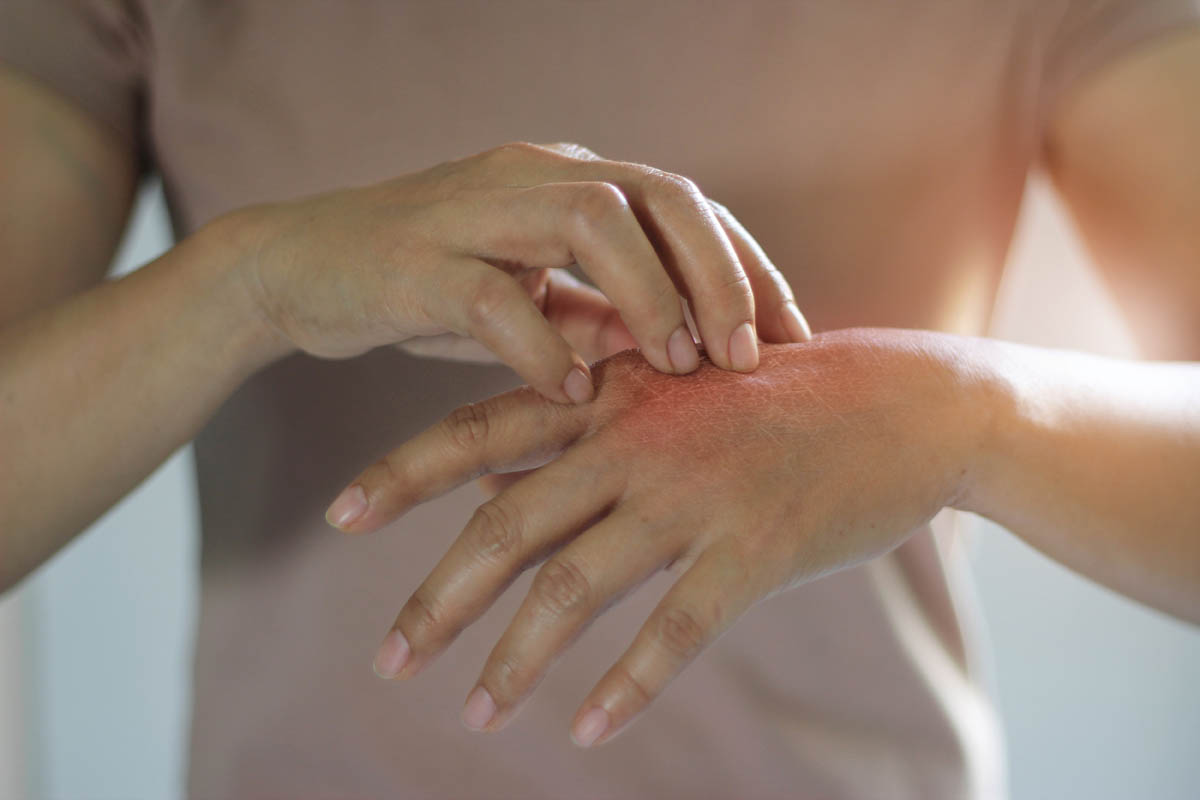
The skin is not a passive surface. It is home to billions of microorganisms that actively contribute to its balance, cellular renewal, and resistance to external aggressors. This skin microbiome, long overlooked in skincare, is generating growing interest in the skincare industry. A question is beginning to emerge in scientific circles: could red light interact with this invisible ecosystem to better support the skin’s balance?
The skin microbiome: a little-known player in our skin
The skin microbiome refers to the collection of bacteria, fungi, viruses, and other microorganisms that live on the skin’s surface and in its outer layers. Far from being mere unwanted residents, these microorganisms play a key role in regulating inflammation, producing certain protective molecules, and defending against external agents.
This balance is fragile. Pollution, harsh cosmetics, hormonal changes, and excessive UV exposure can disrupt it. When the skin microbiome becomes unbalanced, certain acne-causing bacteria multiply excessively. Other imbalances can lead to chronic inflammation, accelerate skin aging, or weaken the skin’s protective barrier.
Modern skincare is increasingly focusing on this microbiome aspect, seeking gentle approaches to support the diversity and balance of this ecosystem without further disrupting it.
How does red light affect skin cells?
Photobiomodulation is based on the absorption of light by cells. Red light, typically in the range of 630 to 660 nm, penetrates the epidermis and the superficial dermis. At this wavelength, it is absorbed by the mitochondria—the cells’ powerhouses—which it stimulates to produce more ATP.
This activation of cellular energy triggers a series of effects: it boosts cell renewal, supports collagen and elastin production, improves local microcirculation, and helps reduce inflammation. It is precisely this effect on the skin’s biological environment that raises the possibility of a link to the skin microbiome.
A red light session does not directly target the microorganisms present on the skin. It acts on human cells and, in doing so, alters the environment in which these microorganisms live.
Red light and the microbiome: what early research suggests
A skin environment transformed by light
The best-documented line of research concerns the effect of red light on skin inflammation. Less inflamed tissue creates different conditions for the microorganisms that live there. We know that chronic skin inflammation is associated with imbalances in the microbiome: certain bacteria responsible for acne or other irritations thrive in an oxidative and inflamed environment.
By reducing oxidative stress and modulating inflammation, red light could thus indirectly create an environment less conducive to the proliferation of these bacteria and more conducive to a diverse and balanced microbiome. This indirect mechanism is consistent with what is observed in research on other microbiomes in the body: inflammation is often the starting point for microbiotic imbalances.
Microcirculation: The Link Between Light and the Microbiome
Another mechanism warrants attention: the improvement in microcirculation induced by red light. Better local circulation means an increased supply of nutrients and oxygen to skin cells, as well as more efficient removal of metabolic waste.
This renewal of the tissue environment influences the living conditions of skin microorganisms. Research on the gut microbiome has clearly established that tissue vascularization and oxygenation play a role in microbiota composition. The hypothesis that a similar mechanism exists in the skin is scientifically sound, even though studies dedicated to photobiomodulation and the skin microbiome have yet to be conducted.
Cell renewal and the skin barrier
Red light also supports epidermal cell renewal and strengthens the skin barrier. An intact skin barrier is key to maintaining a stable microbiome: it prevents pathogenic microorganisms from colonizing sensitive areas and maintains the moisture and pH levels that allow beneficial bacteria to thrive.
The results observed after several LED light sessions (improved skin texture, reduced fine lines and wrinkles, and a decrease in certain imperfections caused by acne-causing bacteria) may therefore reflect, at least in part, an effect on the microbiome balance, even though this aspect has not yet been systematically studied.
The LED mask, the central focus of this discussion
The LED face mask is one of the most accessible devices for experiencing the benefits of photobiomodulation on the skin. Designed to emit a uniform red light across the entire face, the light therapy mask allows for regular sessions at home, with no special requirements.
It is precisely this consistency that is of interest from the perspective of the microbiome. Imbalances in the skin’s microbiome develop and resolve over long periods of time. A skincare regimen that gently addresses inflammation and cellular energy, session after session, is better suited to the microbiome’s natural timeline than a one-time, intensive treatment.
Today’s LED masks incorporate diodes calibrated to specific wavelengths, with sufficient power to reach the deeper layers of the epidermis. Their use is fully aligned with a holistic skincare approach that respects the skin’s ecosystem, and it is for this reason that they deserve to be studied from the perspective of the microbiome.
Why this field of research deserves attention
The appeal of the photobiomodulation-skin microbiome approach lies in several converging factors. Skincare is shifting toward more holistic, less aggressive approaches that are more respectful of the skin’s ecosystem. Red light fits naturally into this trend: it involves no chemicals, no friction, and no mechanical disruption of the microbiome.
Furthermore, research on the skin microbiome is rapidly expanding. We now have a better understanding of the role of microbial diversity in conditions such as acne, rosacea, and skin aging. Combining these advances with photobiomodulation is a logical scientific approach, although it still requires dedicated studies involving larger populations and standardized methodologies.
For people who already use an LED mask or are considering incorporating red light into their skincare routine, this aspect is far from trivial. It encourages us to view light therapy not merely as a superficial treatment, but as a potentially more profound influence on the skin’s biological balance.
Frequently Asked Questions
Does red light have a direct effect on skin bacteria?
Red light does not act directly on skin microorganisms. It stimulates human cells, particularly mitochondria, which improves cellular energy, reduces inflammation, and strengthens the skin barrier. It is these effects on the tissue environment that could indirectly influence the balance of the microbiome.
How many sessions does it take to see results on the skin?
Results vary depending on skin type and specific concerns. Generally speaking, one to several sessions per week over several weeks can lead to improved radiance and texture, as well as a reduction in certain imperfections. Consistency is the key to achieving long-lasting results in skincare.
Is the LED mask suitable for sensitive skin?
Red light is generally well tolerated, even by those with sensitive skin. It does not cause mechanical irritation or chemical reactions. However, it is recommended that you review best practices and safety guidelines before beginning treatment sessions and adhere to the recommended exposure times.
What is the connection between the skin microbiome and skin aging?
The skin microbiome changes with age. Microbial diversity tends to decline, which weakens the skin barrier and can exacerbate inflammation. This phenomenon contributes to accelerating skin aging. Maintaining a balanced microbiome is a complementary approach to skincare routines that support collagen and elastin production and help prevent the appearance of fine lines and wrinkles.
Can photobiomodulation be incorporated into a standard skincare routine?
Yes. The LED face mask fits easily into your skincare routine, either before or after applying serums and creams. The red light does not interact with active ingredients in skincare products and does not interfere with other steps in your routine. It can be used regularly at home to promote daily skin health.
What the red light might still reveal
The skin microbiome and photobiomodulation are two rapidly expanding fields. Their intersection has not yet been fully explored. However, the biological foundations are in place: established mechanisms regarding inflammation, cellular energy, and microcirculation; an accessible and well-tolerated tool; and a treatment timeline compatible with the dynamics of the microbiome. This intersection opens up a broader discussion about what it means to care for one’s skin—not just on the surface, but by taking into account its entire living ecosystem.
To learn more about the applications of photobiomodulation and understand how LED light promotes well-being, the resources available on THE PBM website provide a solid foundation for a thorough exploration of this field.
See also:

 Photobiomodulation et microbiome cutané : piste de recherche émergentePar Adèle, le 30 juin 2025
- Types de peau et photobiomodulation : quel impact de la mélanine ?Par Adèle, le 10 février 2026
- 660 nm vs 850 nm : guide comparatif des longueurs d’onde les plus utiliséesPar Adèle, le 5 avril 2026
- Photobiomodulation : 8 idées reçues qui freinent son adoptionPar Adèle, le 1 septembre 2025
- Du photon à la cellule : le voyage de la lumière en photobiomodulationPar Adèle, le 28 juin 2025
- LED rouges, lasers et infrarouge proche : quelle longueur d’onde pour quels effets ?Par Adèle, le 17 décembre 2025
- Photobiomodulation : placebo ou preuve scientifique ?Par Adèle, le 22 janvier 2026
- Comment les photons traversent la peau : plongée dans l’optique tissulairePar Adèle, le 5 août 2025