Red LEDs, lasers, and near-infrared: which wavelength for which effects?

When we talk about red light or near-infrared light, we are actually referring to specific wavelengths, measured in nanometers, where each variation affects the depth of penetration and the effects on the tissue. Whether it’s an LED panel, a mask, or a laser: the choice of device matters, but the wavelength it emits matters even more. Understanding what each spectrum does and where it acts changes the way we approach these sessions.
Red light and near-infrared light: two spectra, two modes of action
Photobiomodulation is based on a simple principle: certain wavelengths of light are absorbed by cells and trigger a biological response. Not all of them, and not just any wavelengths. Two wavelength ranges are the focus of most global research, with thousands of studies listed on PubMed NCBI and NLM NIH: red light, around 630 to 660 nm, and near-infrared light, between 810 and 850 nm.
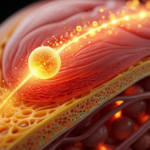
Red light primarily affects the superficial layers of the skin. At this wavelength, it is absorbed by fibroblasts, the cells responsible for producing collagen and elastin. The result: the skin becomes firmer, signs of aging gradually fade, and radiance is restored. This is why LED masks designed to combat skin aging almost always use red light in the 630–660 nm range.
Near-infrared light, on the other hand, is invisible. However, it penetrates much deeper into the tissues, reaching muscles, joints, and subcutaneous structures. Its primary target: the mitochondria, the cells’ powerhouses. By stimulating their activity, near-infrared light promotes increased production of ATP (adenosine triphosphate), the molecule that fuels all cellular processes. Studies cited on NCBI NLM show that exposure for just a few minutes can significantly increase energy production in the exposed cells, which supports both tissue recovery and the management of persistent discomfort.
LED or laser: Which device is best for which application?
This is a common question, and it’s a valid one. Both red LED devices and therapeutic lasers use similar wavelengths, but their modes of emission differ. LEDs emit incoherent light over a wide area, making them ideal for treating large areas in a single session. Lasers, on the other hand, emit a coherent, concentrated beam, allowing for more precise penetration into targeted areas, such as a joint or a point of muscle tension.
In practice:
- LED devices (panels, LED masks, portable devices) are ideal for regular sessions at home or in a clinic. Their wide coverage and ease of use make them the go-to tool for skin care, sports recovery, and overall well-being.
- Low-level lasers (LLLT) are primarily intended for professionals who wish to target specific areas, particularly to relieve localized chronic pain.
- LED face masks often combine multiple wavelengths (red at 630 nm and near-infrared at 850 nm) to target both the skin’s surface and deeper layers simultaneously.
What matters most, regardless of the technology chosen, is the wavelength emitted and the amount of energy absorbed by the tissue, expressed in joules per square centimeter.
Sports, Pain, and Inflammation: When Near-Infrared Red Light Becomes an Ally
Near-infrared light has attracted particular interest in the fields of sports and the management of physical discomfort. After intense exercise, muscles go through a natural inflammatory phase. While this inflammatory process is necessary for recovery, it can become a source of discomfort when it becomes excessive or persists. Several studies indexed on PubMed NCBI have shown that near-infrared light sessions following exercise can help modulate this inflammatory response, support tissue circulation, and help muscle fibers recover more quickly.
For people dealing with chronic pain, near-infrared red light also offers promising benefits. Red light affects microcirculation by promoting the release of nitric oxide, a natural vasodilator. With improved blood flow, tissues receive more oxygen, which can help manage certain joint or muscle discomforts over time.
As for side effects, they are rare and mild when the treatment is used properly. A slight, temporary redness of the skin may occur, especially during the first few sessions, but it disappears within a few minutes. However, certain precautions are necessary: eye protection, adherence to the recommended treatment times, and a prior consultation if you have a specific medical condition.
Choose the right wavelength for your purpose
Far from being a mere technical detail, the choice of wavelength actually determines the expected effects. Red light primarily targets skin-related concerns: wrinkles, radiance, firmness, and the response to certain skin inflammatory processes. Near-infrared light, which is less visible but penetrates deeper, targets the underlying tissues—from muscles to joints—and influences cellular energy management.
The two spectra complement each other naturally. In fact, most high-quality photobiomodulation devices combine them in their sessions to provide both superficial and deep-tissue effects throughout the entire body. This synergy, which is well documented in the scientific literature available on the NLM NIH website, undoubtedly represents the most comprehensive approach to supporting daily well-being.
See also:

 Du photon à la cellule : le voyage de la lumière en photobiomodulationPar Adèle, le 28 juin 2025
- LED rouges, lasers et infrarouge proche : quelle longueur d’onde pour quels effets ?Par Adèle, le 17 décembre 2025
- Photobiomodulation : placebo ou preuve scientifique ?Par Adèle, le 22 janvier 2026
- Photobiomodulation : 8 idées reçues qui freinent son adoptionPar Adèle, le 1 septembre 2025
- Comment les photons traversent la peau : plongée dans l’optique tissulairePar Adèle, le 5 août 2025
- Types de peau et photobiomodulation : quel impact de la mélanine ?Par Adèle, le 10 février 2026
- 660 nm vs 850 nm : guide comparatif des longueurs d’onde les plus utiliséesPar Adèle, le 5 avril 2026
- Photobiomodulation et microbiome cutané : piste de recherche émergentePar Adèle, le 30 juin 2025