Photobiomodulation: dangers, contraindications and misconceptions
Light has healing properties, but it isn’t a cure-all—and it isn’t suitable for everyone. Photobiomodulation (PBM) is gaining popularity and becoming more accessible, finding its way into wellness routines through LED masks, at-home devices, and salon treatments. With this popularity comes a host of legitimate questions: Is there a risk to the eyes? Are there certain groups of people who should avoid it? And what about all the myths circulating about LED light? Here’s what the scientific literature and practical common sense tell us.
What Photobiomodulation Really Is
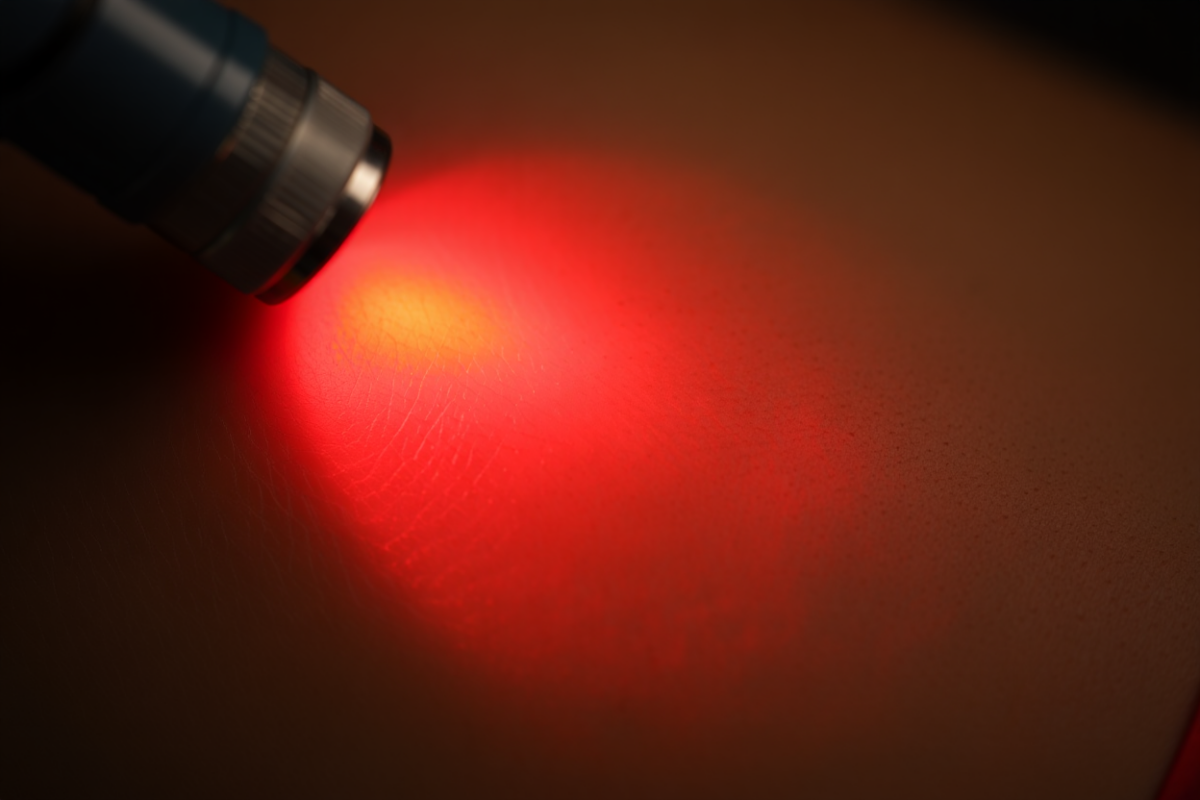
Photobiomodulation is a technique that uses specific wavelengths of light to stimulate the body’s cells. It relies on the absorption of light by cellular chromophores, particularly mitochondria, which respond by producing more energy (ATP). This mechanism of action, documented by numerous clinical studies published with a DOI in international scientific databases, explains why red or infrared LED light is now used in a variety of wellness contexts: skin comfort, muscle recovery, oxidative stress management, and sleep support.
The wavelengths most commonly studied range from 630 to 850 nanometers, in the red and near-infrared spectra. These are not ultraviolet rays: no tanning, no ionizing burns, and no sun-related damage is expected at these frequencies. This is precisely what distinguishes PBM from many other forms of light exposure.
Is there a risk to the eyes?
This is the question that comes up most often, and it deserves a clear answer: eye protection is the most important safety consideration when using a photobiomodulation device.
LEDs, even non-laser ones, emit intense, concentrated light. Prolonged, direct exposure of the eyes to this light—particularly at wavelengths close to infrared—can eventually cause strain on the eye’s sensitive structures. The risk to the eyes is not severe when used properly, but it is real if eye safety is consistently neglected.
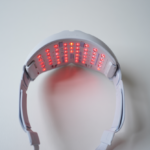
The rule is simple: always wear appropriate protective eyewear during a session with an LED face mask or light panel. The eyewear provided with certified devices is designed to block the wavelengths emitted. Do not substitute them with ordinary sunglasses, as their filters are not suitable for these wavelengths.
People with pre-existing eye conditions—such as macular degeneration, retinitis, or glaucoma—should consult a specialist before use. Extra caution is advised for these individuals.
Actual contraindications: Who should avoid PBM?
Photobiomodulation is generally well tolerated, but certain patient groups require special attention or may even need to temporarily or permanently avoid the treatment.
People undergoing photosensitizing treatment (with certain antibiotics, retinoids, or other substances that increase the skin’s sensitivity to light) should refrain from using an LED device on the affected areas without prior consultation. The skin reacts differently when exposed to these substances, and redness or irritation may occur.
Pregnant women are generally advised to avoid using this medication as a precautionary measure. This is not because PBM has been proven to be dangerous during pregnancy, but because the lack of sufficient clinical studies on this specific population warrants caution.
People with a history of photosensitive epilepsy should avoid exposure to flashing lights, including certain pulsed modes available on LED light devices.
Areas with active skin lesions, open wounds, or uncontrolled inflammatory skin conditions should not be exposed directly. Reviewing best practices and safety recommendations will help you tailor its use to your personal situation.
Common misconceptions: What PBM is not
Does PBM expose you to ultraviolet rays?
No. This is one of the most common misconceptions. The wavelengths used in photobiomodulation—red (630–700 nm) and near-infrared (700–850 nm)—are at the opposite end of the spectrum from ultraviolet rays (280–400 nm). Certified LED masks and PBM devices emit no UV radiation. There is no risk of forced tanning, and no known mutagenic effects at these frequencies.
Is red light harmful to the skin?
When used appropriately and with a certified device, red light does not damage the skin. It acts deeply on cellular structures without causing increased oxidative stress. On the contrary, scientific literature documents a modulatory effect on oxidative stress, with a tendency to reduce it in exposed tissues.
The side effects reported in clinical studies are minor and temporary: mild redness of the skin after the session, a sensation of warmth, and temporary sensitivity. These symptoms disappear quickly and do not indicate a malfunction of the device.
Is more power always better?
This is a common misconception in the world of LED lamps and PBM devices. Photobiomodulation follows a dose-response principle: there is a window of optimal effectiveness. Below this threshold, the effect is insufficient. Above that, the effect may reverse or be negated. This phenomenon, known as light hormesis, is documented in numerous studies published with a DOI in leading international scientific journals.
A certified device, when used according to the manufacturer’s instructions, is specifically designed to operate within this range. Extending the duration or increasing the frequency of sessions without professional supervision does not improve results.
Are all commercially available LED masks the same?
No, and this is a point that the precautionary principle requires us to emphasize. The quality of devices varies considerably. A reputable LED mask must display its precise wavelengths, its power (irradiance in mW/cm²), its safety certifications, and include appropriate eye protection. A device lacking this information does not allow the user to monitor their actual exposure. To understand the technical differences between available devices, the Equipment and Technology page offers useful insights.
How can I use PBM safely?
Here are a few practical guidelines to help you use an LED light therapy device:
- Choose a certified device with clearly specified wavelengths and documented irradiance (mW/cm²).
- Always wear the eye protection provided, even during short periods of use and even if your eyes are closed.
- Follow the recommended session duration, which is generally between 10 and 20 minutes depending on the device and the targeted areas.
- Adapt usage to your individual needs: if you have any doubts about a potential contraindication, consulting a healthcare professional is always the safest approach.
The page on best practices and safety provides detailed guidance on these recommendations and helps you tailor each session to your specific needs.
Frequently Asked Questions
Can photobiomodulation damage the eyes?
Direct and prolonged exposure of the eyes to intense LED light can strain sensitive eye structures. The risk remains limited under normal use with appropriate eye protection. The safety glasses provided with certified devices are essential and must never be omitted.
Who should not use an LED light fixture?
People undergoing photosensitizing treatment, pregnant women (as a precaution), individuals with photosensitive epilepsy, and those with active skin lesions should postpone or adjust their use of this product. Professional advice is recommended if in doubt.
Does PBM cause side effects?
Available clinical studies report rare and mild side effects: temporary redness and a slight sensation of warmth. No serious side effects have been documented when the device is used as recommended with a certified unit.
Is red light the same as ultraviolet light?
No. The two technologies are fundamentally different. Red LED light (630–700 nm) emits no ultraviolet rays and does not cause tanning or pose any risk of UV-related damage.
How can I tell if my device is reliable?
A reliable device should specify its exact wavelengths (in nanometers), its irradiance (in mW/cm²), its safety certifications, and include appropriate eye protection. If this information is missing, caution is advised.
Light and clarity: the two go hand in hand
Photobiomodulation is neither inherently dangerous nor free from precautions. Like any wellness approach based on a real physiological mechanism, it deserves to be approached with discernment. A certified device, eye protection worn at all times, and use in accordance with recommendations: these three guidelines are sufficient to make LED light a reliable ally in daily life. To go further and understand the full range of photobiomodulation applications, the available resources allow you to explore this field with the rigor it deserves.
See also:

 Photobiomodulation : 2 semaines pour améliorer naturellement votre sommeilPar Adèle, le 20 mars 2026
 Photobiomodulation à domicile : check-list sécurité pour débuterPar Adèle, le 23 octobre 2025
- Photobiomodulation visage : avant-après d’une cure anti-âgePar Adèle, le 23 juin 2025
- Comment choisir son casque de photobiomodulation pour la repousse des cheveuxPar Adèle, le 26 juin 2025
 Photobiomodulation : dangers, contre-indications et idées reçuesPar Adèle, le 22 juillet 2025